
Processes start to break down when work depends on manual follow-up, scattered conversations, hard-to-maintain spreadsheets, or decisions made without reliable information. Over time, this creates rework, delays, weak traceability, and operations that depend more on individual effort than on a clear structure.
We start by understanding how the work flows today. We identify friction points, decision points, owners, inputs, outputs, risks, and improvement opportunities. From there, we redesign processes that can be documented, measured, adopted, and improved with clearer ownership and control.
Process improvement is not just about drawing a workflow. It is about understanding how work is executed, where visibility is lost, and what structure the team needs to operate with more control.
We help define who participates, who decides, who executes, and where ownership needs to be clearer.
We clarify how work moves across people, teams, systems, tools, and decisions.
We design clearer ways to see progress, pending work, blockers, approvals, and evidence of completed work.
We identify practical indicators to track manual effort, cycle time, errors, rework, workload, and improvement opportunities.
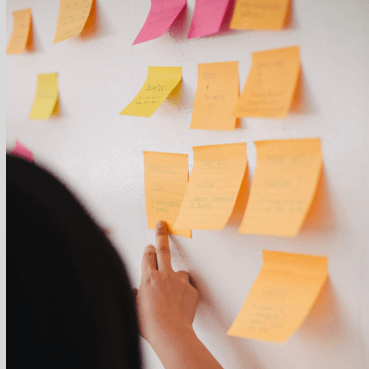

Every organization has a different way of operating. We do not start from a generic template. We review the context, understand the real workflow, and prioritize the points where improvement can create more clarity, control, visibility, or reduction in manual effort.
The work may include process maps, workflow redesign, role clarification, control recommendations, tracking structures, operating guidelines, or inputs for digital solutions when the process needs technology support.
Many improvements begin with a simple signal: the team is working hard, but information does not move clearly. Tasks repeat, decisions take longer than they should, pending items get lost, or responsibilities are not defined clearly enough.
In these situations, reviewing the process helps separate symptoms from causes and create a clearer path to improvement.
When work depends on reminders, scattered messages, repeated follow-up, or constant manual tracking, the process may need more structure.
When leaders cannot clearly see what is moving, what is blocked, or where delays are happening, the process needs stronger control points.
Build practical apps, automations, integrations, and workflows that reduce manual effort and make operational work easier to manage.
Create dashboards, reporting, analytics, AI-enabled workflows, and operational assistants that help teams use information, knowledge, and process context more effectively.
Design workflows and digital solutions with traceability, controls, audit readiness, and accountability built in from the start.